Case Study – L’Oréal

Within its responsibility to ensure the respect of human rights in its global supply chain, L’Oréal took the commitment to pay a living wage to all its employees by the end of 2020 and to enlarge this payment of a living wage to the employees of its strategic suppliers by 2030.
Case Study – H&M
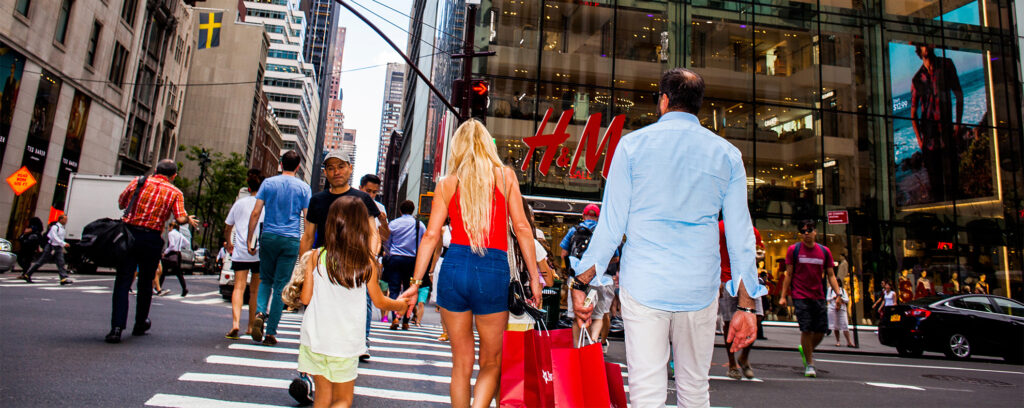
H&M in 2013 decided to put in place a Fair Living Wage strategy. It is within this programme that it asked the FWN to carry out Fair Wage assessments on its first-tier suppliers. The Fair Wage Method implementation by the end of 2018 had covered 8 markets, involved 336 suppliers, and surveyed nearly 30,000 workers (27,591).
Case Study – CLP

CLP is committed to the payment of fair wages. Following a fair wage assessment at its Headquarters in Hong Kong in the second half of 2018, Hong Kong energy supplier CLP was found to have excellent performance in almost all fair wage dimensions and was thus granted the Fair Wage certification in January 2019. After a new assessment end of 2021, this Fair Wage certification was renewed for a period of one year, until December 2022.
Case Study – Unilever
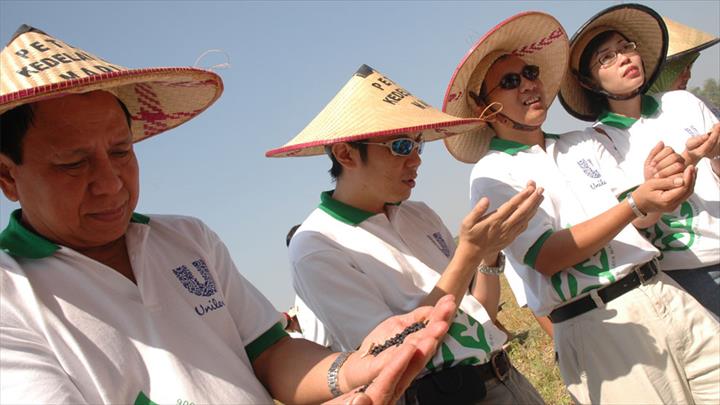
Unilever has put in place a global Fair Compensation strategy that was inspired by -and has taken many dimensions and principles from- the Fair Wage approach. It has also committed to pay at least a living wage to all its employees, a target it reached at the end of 2021 and for which it was accredited by the FWN as a global living wage employer early 2022.
Case Study – IKEA
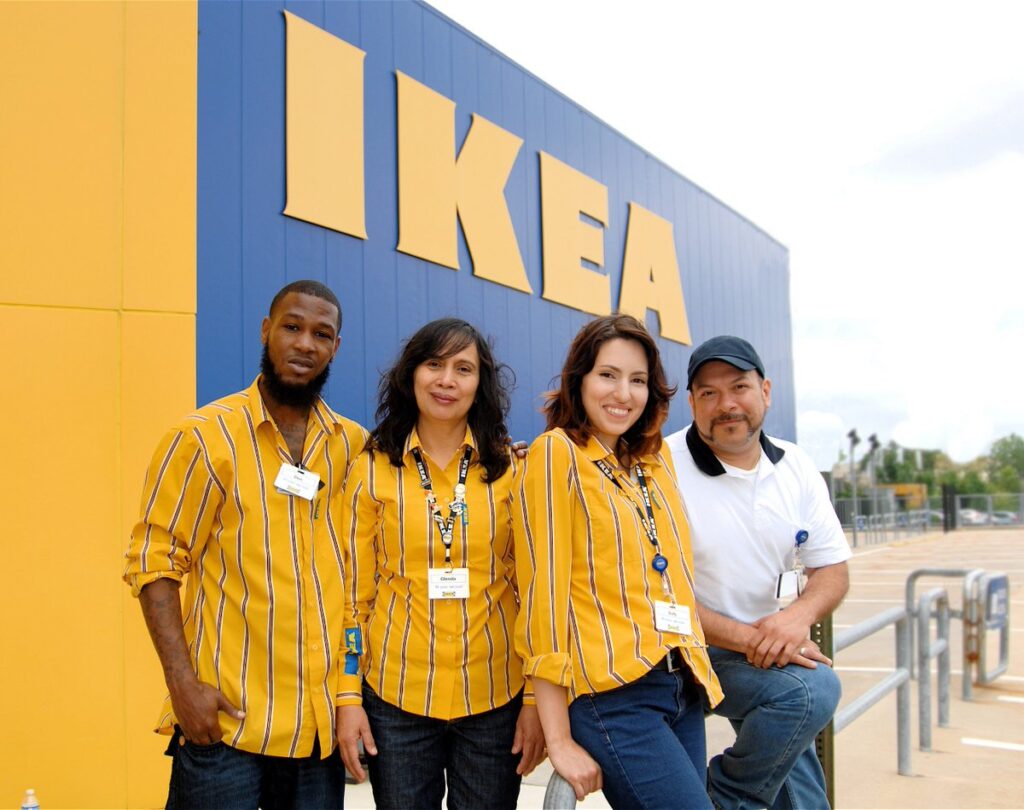
In search for coherence and sustainability, IKEA took decisive steps to place the Fair Wage methodology at the core of its different policies: of Human Resources, of Compensation, and of Sustainability. It also decided to have it applied not only for its suppliers but also for its own employees, with a series of pilot Fair Wage Assessments carried out among suppliers, service providers, stores and own industry groups.
Case Study – Camera Nazionale

For the first time, a large scale survey took place in 2020-2021, just before the global pandemic, with physical visits of 45 suppliers and interviews of more than1100 employees in all regions of Italy, from the north, center and south of the country. Additional surveys were also carried out in 2021.
Case Study – Puma
Over the last 10 years, PUMA defined and progressively strengthened a global Fair Wage or Fair Income strategy, that is aimed at ensuring fair wage practices among its own employees and among its suppliers.
Case Study – AstraZeneca
Within -and to serve- its commitment to human rights and to international labour standards, AstraZeneca has defined a global rewards policy aimed at paying its employees ‘what is fair and just’ but also to attract and retain talents. It also committed to pay a living wage in all its markets.